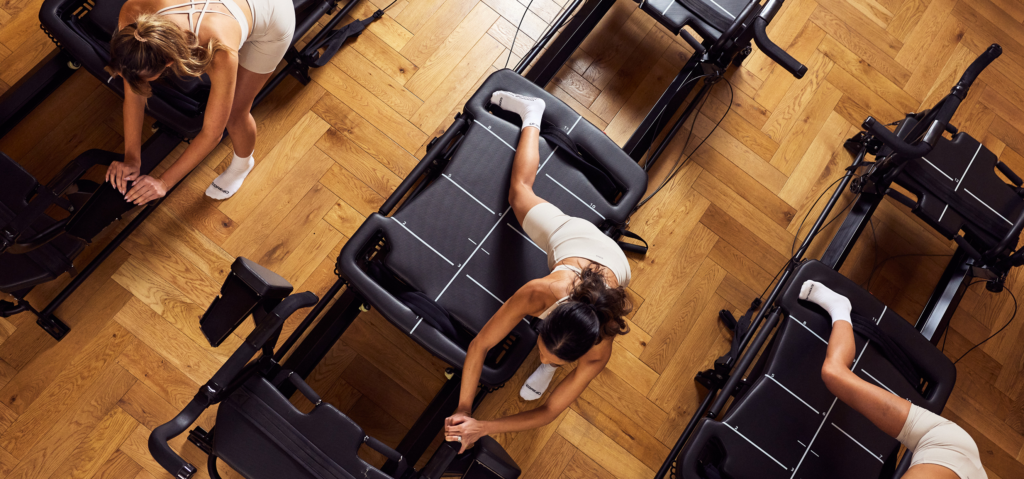
Finding an exercise routine that challenges your muscles while fitting into a busy lifestyle can be difficult. Many people want to improve their strength, stability, and overall fitness without relying entirely on high-impact movements. This is where Lagree workouts have gained attention for their combination of controlled movements, resistance, and sustained muscular engagement.
The Lagree Method is a fitness training system that uses specialised resistance equipment and slow, controlled movements to challenge multiple muscle groups. It emphasises muscular endurance, stability, and maintaining tension throughout each exercise.
For beginners, understanding the technique and equipment is an important first step. A knowledgeable Lagree instructor can explain how the movements work, demonstrate proper positioning, and provide modifications to match different fitness levels. With the right guidance, participants can learn to move with greater control and build confidence as they progress.
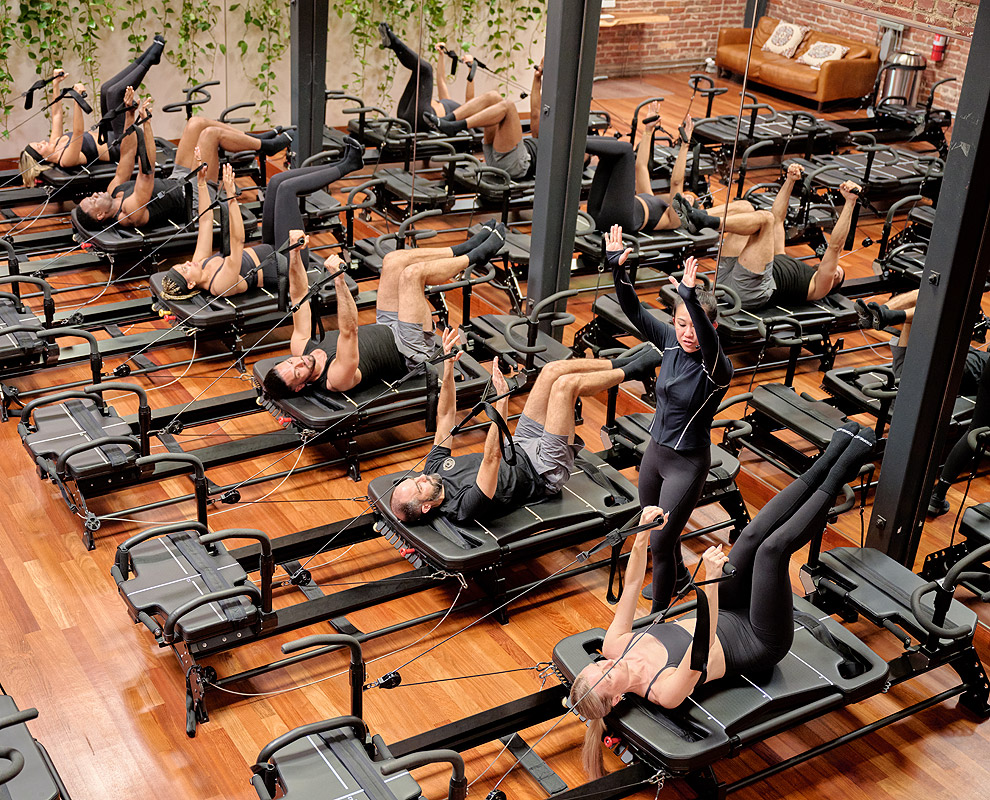
Many exercises involve several groups of muscles working together. One move might require the legs and glutes, with the abdominals engaged to keep the body steady.
This technique promotes coordination and body awareness. By focusing on controlled movement rather than momentum, participants can pay closer attention to their technique and muscle engagement.
Holding a position or performing slow reps can make exercises challenging, even if the movements look simple. Muscles are kept under tension for longer, providing a different challenge to high-paced exercise.
Regular strength training over time can improve muscular strength and endurance. Results vary depending on frequency of training, recovery, nutrition and individual fitness level.
Core muscles are responsible for the balance and control of movements in daily activities. Many exercises require participants to stabilize their body against resistance, developing controlled movement and coordination.
Building a stronger core can help you gain better control over your movements, but everyone’s results will be different. Good technique and the right exercise modifications are still important in each session.
The slow pace and movements with a resistance style allow participants to work their muscles without the need for repeated running or jumping. This may appeal to people who like low-impact exercise.
But low impact training can still be physically rigorous. Beginners should begin at an appropriate intensity, communicate their limitations, and not push through sharp pain or unusual discomfort.
A Lagree workout involves a sequence of exercises performed on specialised equipment, called a Megaformer, which features a moving platform, resistance springs, and handles. These components allow participants to challenge different muscle groups while controlling their movements.
A session may include leg, glute, arm, shoulder and core work. Students flow from pose to pose, concentrating on alignment, balance and constant muscle engagement.
It’s not about speed, it’s about quality. The slow repetitions and controlled transitions give participants the opportunity to focus on their technique rather than rushing through the movements.
The equipment may look unfamiliar for the first-time participants. The instructor can guide them to learn how to position their bodies, modify resistance appropriately and move safely.
An instructor plays an important role in helping participants understand the equipment and the proper exercise techniques. For those new to the craft, sessions are made more accessible through clear demonstrations and practical guidance.
Good instructors also explain modifications and assist participants in recognizing when an exercise should be modified. This allows people to work within their current capabilities and slowly build confidence.
When selecting a class, consider the instructor’s relevant training, experience, communication style and ability to cater to different fitness levels. The participants should be encouraged to ask questions and clarifications when needed.
It is just as important to listen to your body. If you feel sharp pain, dizziness or any other unusual symptoms, stop exercising and seek proper guidance.
Although both methods can involve controlled movements, specialised equipment, and core engagement, their training principles differ.
Traditional Pilates commonly emphasises breathing, alignment, flexibility, movement control, and core strength. It can be practised on a mat or with specialised equipment.
The Lagree method places particular emphasis on sustained muscular tension, resistance, and challenging movements performed at a controlled pace. It is only practiced on the Megaformer.
Neither method is automatically better for everyone. The right option depends on personal preferences, fitness goals, experience, and the type of instruction available. Trying an introductory class can help you understand which approach suits your routine.
This training style may appeal to people who want to develop strength, muscular endurance, balance, and body control without making high-impact exercise the centre of their routine.
Beginners do not need to be highly fit before starting. They should learn the movements gradually, prioritise technique over intensity, and choose suitable modifications. Anyone managing an injury, pregnancy-related considerations, or a medical condition should seek individual advice about exercise suitability.
Consistency, adequate recovery, and realistic expectations are more important than attempting every movement at maximum intensity.
For people interested in exploring this training approach, CORE40 provides an opportunity to learn more about its studio experience and available classes. Reviewing the class descriptions and booking information can help you understand the options and choose a session that aligns with your experience and fitness goals.
Ultimately, an effective workout is one that challenges you appropriately, fits your lifestyle, and encourages consistency. With suitable instruction, controlled movements, and gradual progression, this training approach can become a valuable part of a balanced fitness routine.
1. How long does a typical session last?
Session length depends on the class format and studio schedule. Check the class description before booking to confirm the duration and allow enough time to prepare
2. Are these workouts suitable for beginners?
Beginners may be able to participate when appropriate instruction and modifications are available. Starting at a manageable intensity and asking questions can help make the experience more comfortable.
3. How often should you attend classes?
The ideal frequency depends on your fitness level, recovery, and other physical activities. Begin with a manageable schedule and allow sufficient recovery between demanding sessions.
4. What should you wear to class?
Wear comfortable workout clothing that allows you to move freely. Check the studio’s instructions regarding grip socks, water, and any other recommended items before attending.
5. Can these workouts replace all other forms of exercise?
Not necessarily. A balanced fitness routine may include resistance training, cardiovascular activity, mobility exercises, and adequate recovery. Combining appropriate activities can support a broader range of fitness goals.